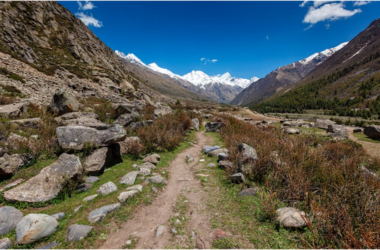
Many travelers visiting Nepal dream of Everest or Annapurna Base Camp, but not everyone wants to share a trail with hundreds of hikers. Some of us just want quiet forests, a village where tea is poured before you even ask, and a mountain view that feels personal rather than shared.
That’s exactly where the Khopra Danda trek, Mardi Himal trek, Khumai Danda trek, and Kokhe Danda Trek come in. Each trail has its own personality. One climbs to a dramatic viewpoint above the Annapurna Sanctuary. Another traces a peaceful ridge beneath Machhapuchhre. One remains a genuine hidden gem, while another has quietly become one of Nepal’s favorite short treks.
This guide covers what makes each route different — difficulty, itinerary, accommodation, costs, best season, and which trek fits your style — so you can decide which deserves a spot on your Nepal itinerary.
Why These Hidden Treks Are Becoming More Popular
More trekkers now choose quieter routes over the biggest names on the map. The Khopra Danda trek, Mardi Himal trek, Khumai Danda trek, and Kokhe Danda trek all tap into this shift, offering authentic village life, better photography light without crowds in the frame, and a slower pace suited to people who want to actually enjoy the Himalayas. They’re also short enough to fit a 10–14 day holiday.
Khopra Danda Trek – Nepal’s Peaceful Alternative to Poon Hill
Overview
Tucked into the Annapurna region, the Khopra Danda trek climbs to roughly 3,660 meters, offering a ridge-top perch that rivals Poon Hill without the crowds. Itineraries typically run 7 to 9 days, starting near Nayapul or Ghandruk through rhododendron forest onto alpine meadows.
Why Travelers Love It
The optional side trip to Khayer Lake, a sacred glacial lake near 4,660 meters, is often the highlight for those with an extra day. Views of Dhaulagiri and Annapurna South from the ridge stretch like a postcard, and community-run lodges support villages directly.
Mardi Himal Trek – The Most Popular Short Trek in the Annapurna Region
Overview
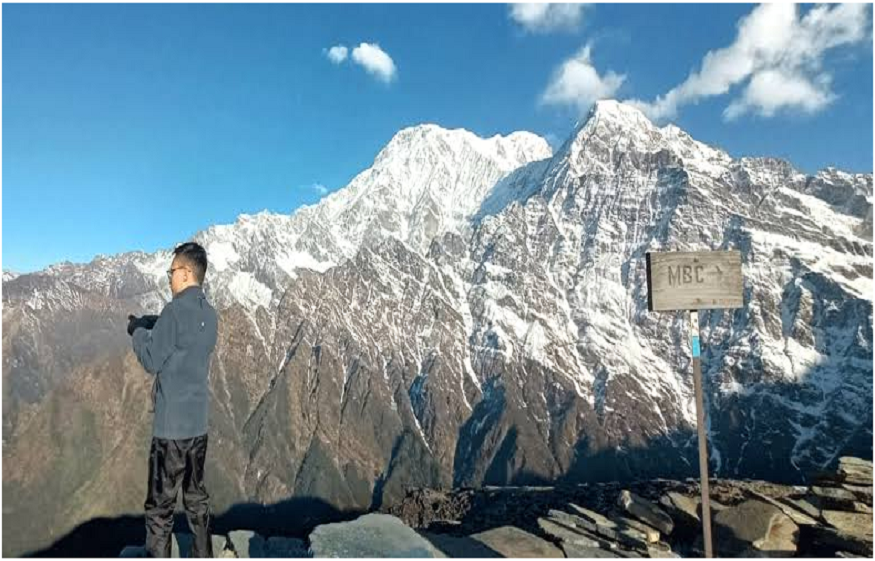
The Mardi Himal trek takes 5 to 7 days round trip, climbing from forested trails near Kande up to High Camp at roughly 4,500 meters, right beneath Machhapuchhre, Nepal’s sacred “Fishtail” mountain.
What Makes It Special
You walk almost directly toward Machhapuchhre, and on a clear morning the sunrise lighting its summit is unforgettable. The trail is considered beginner-friendly for its altitude, with teahouses reliable enough that no tent is needed.
Khumai Danda Trek – Nepal’s Quiet Mountain Escape
Overview
The Khumai Danda trek is one of the newer names on Nepal’s trekking map and still refreshingly under the radar. Sitting close to Pokhara, it offers an off-the-beaten-path feel for travelers who don’t want to venture far from the city but still crave genuine wilderness.
Read More: Beyond Resorts: How Costa Rica and Puerto Rico Differ in Private Luxury Travel Experiences
Why It’s Worth Exploring
What stands out is the peacefulness of the trail. You’ll pass small villages where trekking tourism hasn’t changed daily life much, and depending on the season, you might stay in a homestay or camp under a sky thick with stars — with photographers rarely fighting for space on a crowded viewpoint.
Kokhe Danda Trek – One of Nepal’s Hidden Himalayan Viewpoints
Overview
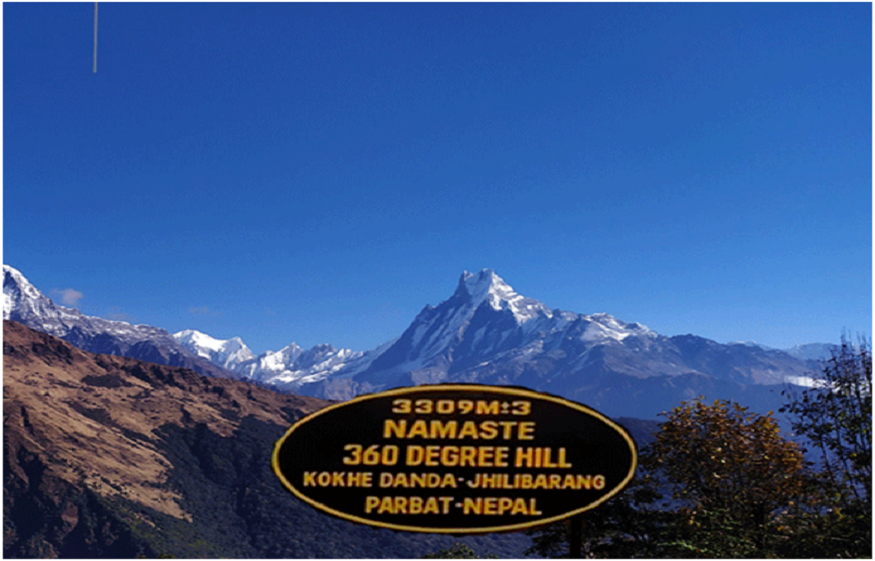
The Kokhe Danda Trek remains one of the lesser-known routes here, and that’s much of its appeal. It’s a remote ridge experience, and shorter itineraries make it a solid choice for travelers without much extra time.
Highlights
Panoramic scenery opens gradually through forested sections dotted with traditional farming villages, and wildlife sightings — pheasants, langurs, and occasional deer — aren’t uncommon on quieter stretches. What travelers remember most, though, is the hospitality; in villages that rarely see foreign visitors, a genuinely warm welcome makes the trek feel personal.
Comparing the Four Treks
| Feature | Khopra Danda Trek | Mardi Himal Trek | Khumai Danda Trek | Kokhe Danda Trek |
| Duration | 7–9 days | 5–7 days | 4–6 days | 4–5 days |
| Difficulty | Moderate | Easy–Moderate | Moderate | Moderate |
| Max Altitude | ~3,660m (4,660m via Khayer Lake) | ~4,500m | ~3,200m | ~3,000m |
| Best For | Peaceful ridge views | First-timers at altitude | Off-beat exploration | Hidden gem seekers |
| Accommodation | Community lodges | Established teahouses | Homestay/basic lodges | Basic lodges/homestay |
| Crowd Level | Low | Moderate–High | Very Low | Very Low |
| Scenic Rating | Excellent | Excellent | Good | Good |
| Photography | Very Strong | Very Strong | Strong | Strong |
Which Trek Offers the Best Mountain Views?
Each trail flexes a different muscle. Khopra Danda gives a broad, cinematic sweep, including Dhaulagiri, Annapurna South, and Hiunchuli. Mardi Himal is really a Machhapuchhre trek at heart, with a high camp sunrise among the best in the region. Khumai Danda and Kokhe Danda don’t reach the same altitude drama but offer intimacy — often the Annapurna and Nilgiri ranges—to yourself. For scale, go Khopra or Mardi; for a private moment, go Khumai or Kokhe.
Difficulty Level – Which Trek Is Right for Beginners?
Khopra Danda Trek
5 to 6 hours of walking daily, with a few steep climbs near the top ridge. Fit beginners manage fine, though the Khayer Lake extension adds a tougher day.
Mardi Himal Trek
Arguably the friendliest for newcomers, with 4 to 6 hours of walking on well-marked trails. The final push to High Camp is steep and cold but short-lived, and families or active seniors often manage comfortably.
Khumai Danda Trek
Moderate, with some undefined trail sections since it’s less developed. Daily hikes run 4 to 5 hours, and a guide is genuinely useful here.
Kokhe Danda Trek
Similar to Khumai Danda, though lower altitude makes it gentler on the body despite a few steep forest ascents.
Best Time for These Four Treks
Spring (March–May)
Rhododendron forests bloom red and pink with comfortable temperatures — all four treks look their best now.
Autumn (September–November)
Peak season, with clear skies and stable weather, though expect more company on Mardi Himal.
Winter
It’s cold at higher camps on Mardi Himal and Khopra Danda, but skies stay exceptionally clear. Khumai Danda and Kokhe Danda, sitting lower, stay more forgiving.
Monsoon
June through August brings rain, leeches, and clouded views — manageable if prepared, but not the season for big mountain photos.
Accommodation and Food Along the Trails
Teahouses handle most of the Mardi Himal route, while Khopra Danda relies more on community lodges. Khumai Danda and Kokhe Danda lean toward homestays, since infrastructure hasn’t caught up yet. Food stays consistent — dal bhat is the staple, alongside noodles, fried rice, and hot ginger tea. Bottled water gets pricier at altitude, so a filter or purification tablets are worth packing.
Read More: The Bahamas by Riva: An Elevated Journey Across the Islands
Trekking Permits You May Need
All four routes require an Annapurna Conservation Area Permit (ACAP). TIMS cards may also apply depending on current regulations, and rules around independent versus guided trekking shift periodically, so always check with a licensed agency before traveling.
Packing Tips for These Himalayan Treks
Layering matters more than any single “perfect” jacket, since mornings are cold and afternoons warm fast. Broken-in trekking boots save your feet more than anything else, and rain protection is non-negotiable even outside monsoon. A near-freezing-rated sleeping bag covers higher camps, poles help on steep descents, and a first aid kit with altitude medication (after consulting a doctor) rounds things out. Bring extra camera batteries too — cold drains them fast up high.
Responsible Trekking in Nepal
Respect local customs, dress modestly near villages and monasteries, and ask before photographing people. Choose locally owned lodges, carry a reusable bottle instead of plastic, and keep distance from wildlife. Hiring a local guide on quieter trails like Khumai Danda or Kokhe Danda supports the community directly.
Which Trek Should You Choose?
First-timers will likely find Mardi Himal the safest bet, and families often do best there too, thanks to established infrastructure. Photographers chasing dramatic scenery will probably prefer the Khopra Danda trek. Travelers wanting peaceful, low-crowd hiking should look at Khumai Danda, and if “hidden gem” is what you want, the Kokhe Danda Trek fits best right now.
Conclusion
There’s no single “best” trek among these four — it comes down to what you’re after. The Khopra Danda trek suits travelers wanting quieter Annapurna landscapes and community-based trekking. The Mardi Himal trek remains one of Nepal’s most rewarding short adventures, pairing dramatic views with established teahouses. The Khumai Danda trek appeals to those craving peaceful trails near Pokhara, and the Kokhe Danda Trek is ideal for anyone who loves hidden viewpoints and authentic villages far from the crowds.
Whichever route you choose, one thing stays constant: the warmth of Nepalese hospitality and mountain scenery that stays with you long after you’re home.
FAQs
1. Which is easier, the Khopra Danda trek or the Mardi Himal trek?
Both suits fit beginners, but Mardi Himal has shorter daily walks and more established teahouses. Khopra Danda involves more elevation gain and longer stretches between lodges.
2. How many days are needed for the Khumai Danda trek and Kokhe Danda trek?
Most itineraries run 4 to 6 days, depending on your starting point, pace, and whether you build in rest days.
3. What is the best season for the Khopra Danda trek, Mardi Himal trek, Khumai Danda trek, and Kokhe Danda trek?
Spring and autumn are most reliable, with clear skies and stable weather. Winter can work if prepared for the cold, while monsoon season is best avoided.
4. Do I need a guide for these treks?
Mardi Himal and Khopra Danda are easier to navigate independently. Khumai Danda and Kokhe Danda, being less developed, benefit more from a local guide.
5. Which trek offers the best sunrise and mountain photography?
It depends on taste. Mardi Himal delivers a close-up sunrise of Machhapuchhre; Khopra Danda offers a wider panorama spanning Dhaulagiri and Annapurna South; and Khumai Danda and Kokhe Danda trade scale for quieter, more intimate vantage points.